


From Mexico City to Masa: Luis Almazan’s Journey Back to Corn
Luis Almazan grew up in Mexico City, left school after grade 9, and enrolled in a two-year hands-on culinary arts program instead. He finished at 17, moved to Vancouver, and spent years building a career in visual effects for film. Food, for a long time, was something he’d left behind.
Then corn brought him back.
“After years away from home, I found my way back to my culture through food, and specifically through corn.” That search led him to the Maya elders at UBC, who taught him to grow corn and to understand land and food as something more than sustenance. “It’s a cultural practice, not just a means to an end.”
Out of that learning, Xinachtli was born. The name is a Nahuatl word for seed, and the business reflects it: a living practice rooted in Indigenous knowledge, kept alive through relationships, repetition, and the work of growing things.
There is a personal thread running through it too. Luis’s grandmother sold tamales in Mexico City. She passed away when he was three. “In a way, Xinachtli is how I reach back toward something I never got to hold.”
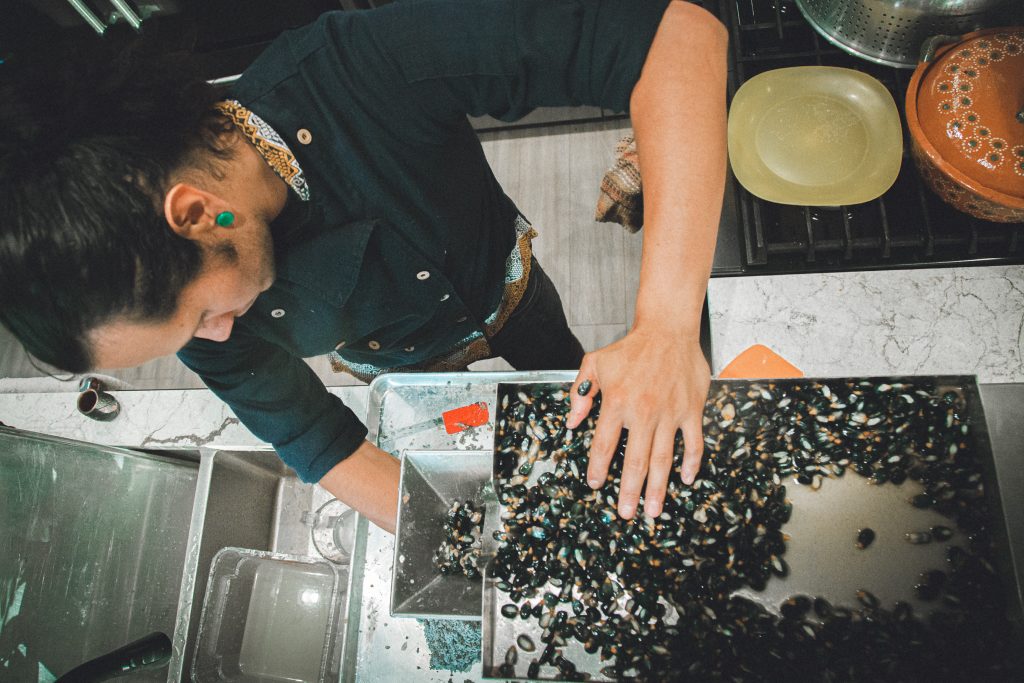
Masa from the Ground Up
Every Xinachtli product starts with whole corn cooked in mineral lime, then ground into masa the traditional way. “Nixtamalization is thousands of years old. It unlocks nutrition in the corn and gives masa its flavor and aroma. For me it is not just a technique. It is a link to the people who developed it and kept it alive.”
The corn used in production comes from small farmers in Mexico, sourced through Masienda, with plans to import directly from farmers in the future. Alongside production, Luis grows heirloom Cónico corn from Tlaxcala at UBC’s Maya Garden, using seeds from Grupo Vicente Guerrero, a small seed-guardian co-op in central Mexico. The work has been ongoing since 2019. “Growing it keeps us connected to the plant and to the people who taught us.”
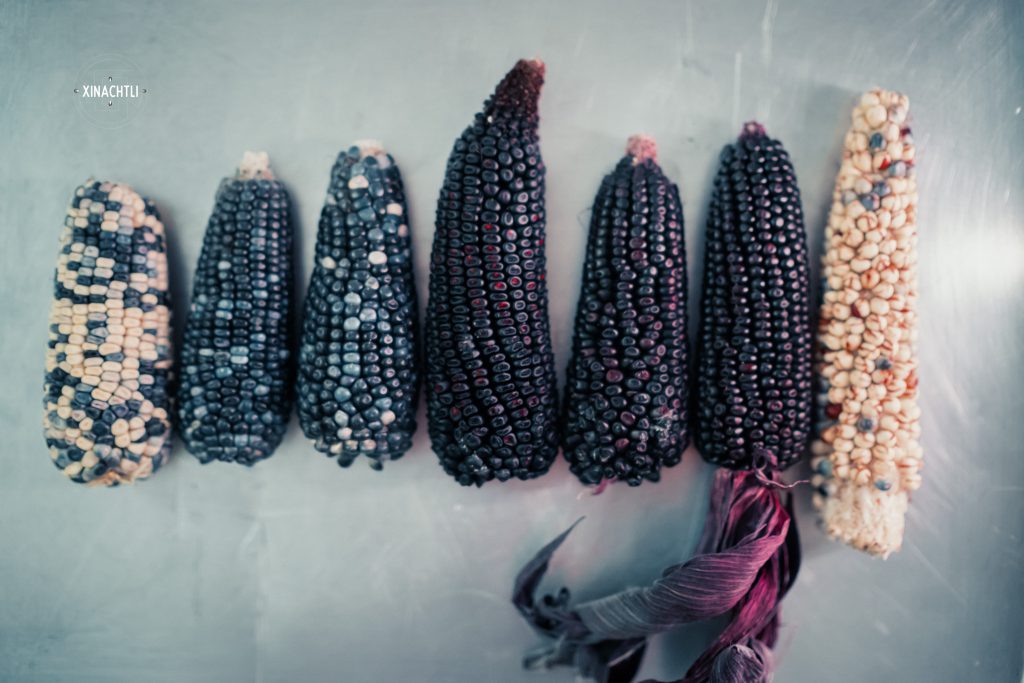
Operating On the Edge
Running Xinachtli in Vancouver is not simple. Specialized equipment like tortilla machines and nixtamal grinders does not exist in Canada. Quality heirloom corn has to be sourced from elsewhere. Every import means customs, permits, and logistics. The cost of operating in this city adds its own weight.
“What keeps me going is the chance to inspire other people to reconnect with their roots through Indigenous foods, the way I did with corn.”
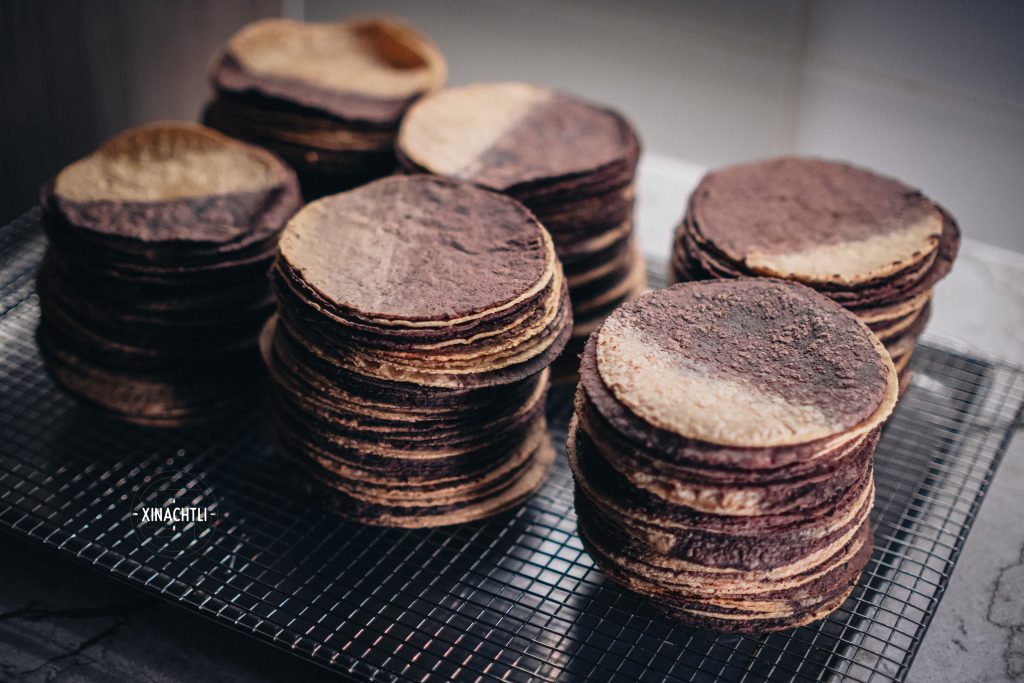
What the Farmers’ Market Means to Xinachtli
Xinachtli launched in 2020 in East Vancouver on Coast Salish Territory. Becoming a farmers’ market vendor gave community a concrete shape. It is the regulars who come back every week, the vendors he trades with and learns from, the customers who want to understand why process matters. “My goal has always been to teach, not just sell, so that knowledge about masa and nixtamalization stays alive and gets passed on.”
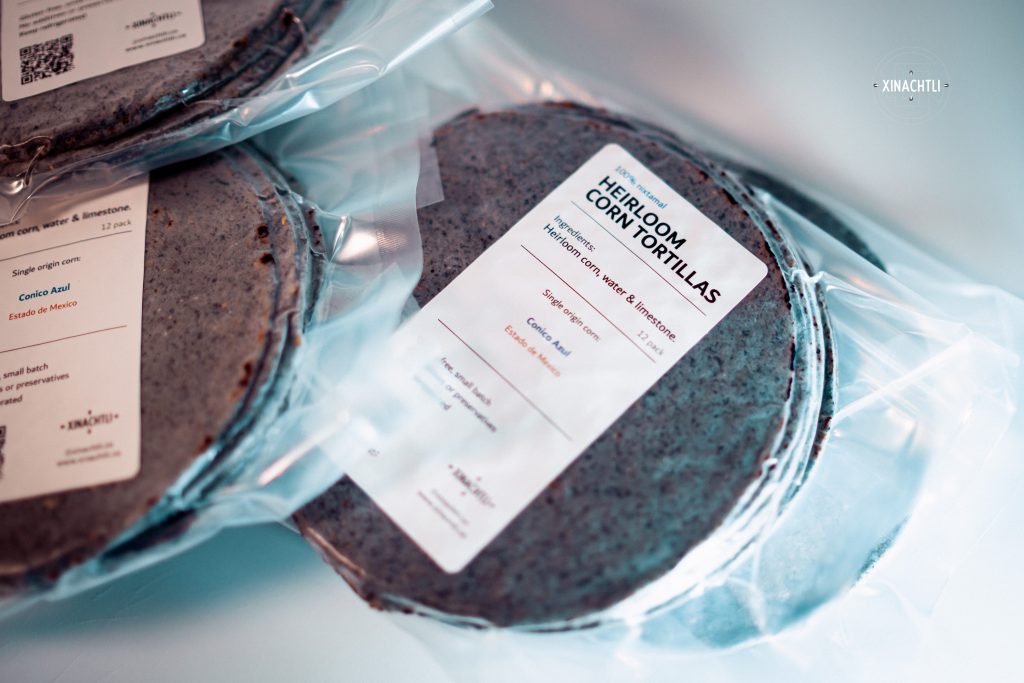
This Season
This summer, Luis is focused on growing production capacity, expanding the team, and making Xinachtli’s tortillas more accessible. He is also looking to grow through pop-ups, new markets, and collaborations, all while a corn growing season is actively underway.
Find Xinachtli at five BCAFM farmers’ markets this season: UBC Farm Saturday Farmers’ Market, Riley Park Farmers’ Market, False Creek Farmers’ Market, Mount Pleasant Farmers’ Market, and Ladner Village Market. Local delivery is available at xinachtli.ca.